Forensic comes from the Latin word forensis, which means forum or court. In Roman times, disagreements were presented in front of a group of people. Both parties would give their sides of the story. Whoever gave the best argument and delivery would determine the outcome of the hearing. The person with the best forensic skills would emerge victorious.
Many say Archimedes (287-212 BC), was the father of forensic science. He found that a crown, that was stated to be made of gold was not, due to it's density and buoyancy. Soleiman, an Arabic merchant living in the 7th century, used fingerprints as validity between debtors and lenders. In the 10th century, a prosecutor in Rome, Quintilian, also used fingerprints to help solve a case. The first document that mentions the use of forensics in the legal system is Xi Yuan Ji Lu ("Collected Cases of Injustice Rectified"), by Song Ci in 1248. Forensic science quickly spread to 16th century Europe. Medics used their forensic knowledge to determine the causes of deaths. A French army surgeon, Ambrose Pare, and two Italians, Fortunato Fidelis and Paolo Zacchia were some of the first to perform autopsies. Two famous books written at the beginning of modern forensics were "A Treatise on Forensic Medicine and Public Healther," by Fodere, and "The Complete System of Police Medicine," by Johann Peter Franck. In 1686, an anatomy professor at the University of Bologna, Marcello Malpighi confirmed and identified the fingerprint method. In the 18th century, many scholars did research and work in forensic science.
England solved a handful of murder cases thanks to forensic science. In 1784 in Lancaster, John Toms was charged with murder, and convicted when a small bit of newspaper was found in his gun matched the same paper found in his pocket. Sherlock Holmes, written by Arthur Conan Doyle, was introduced right after modern forensics was fully developed. Holmes used blood analysis, fingerprinting, and firearm identification to help him solve cases.
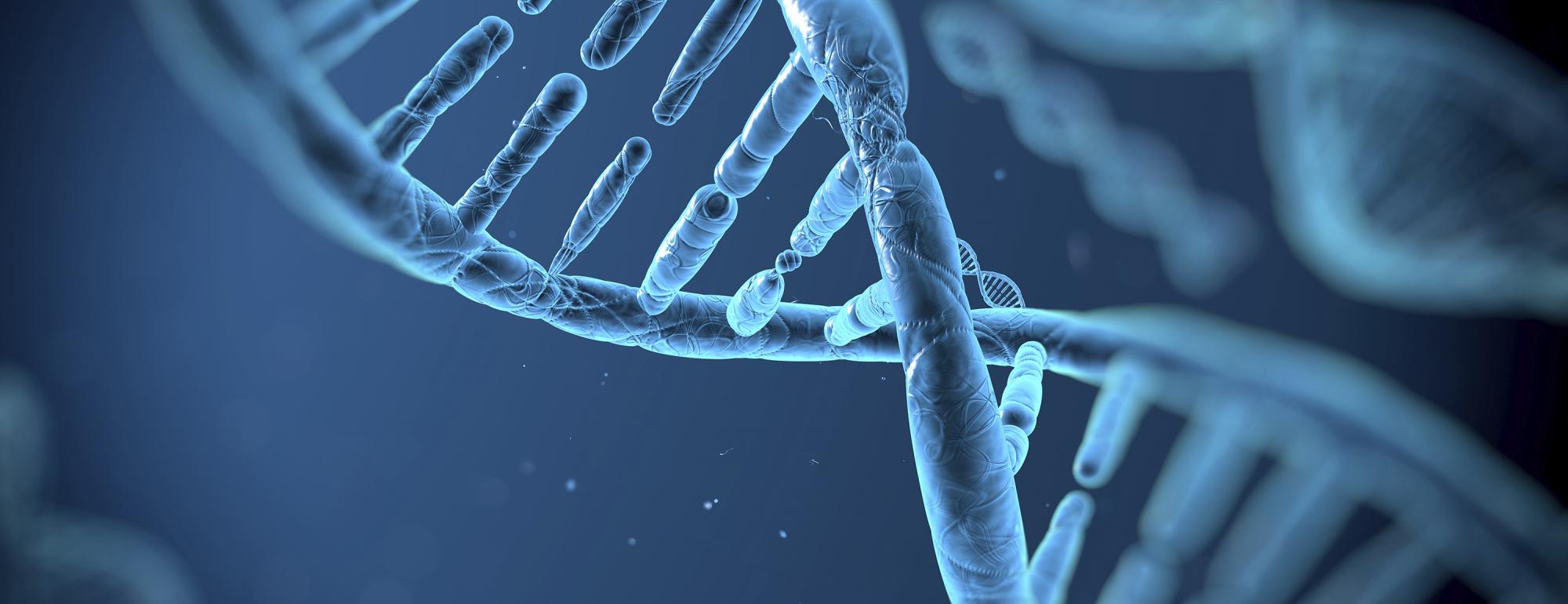
In 1835, Henry Goddard used the first bullet comparison to identify a killer. He traced the bullet back to the mold. It wasn't until the 1950's, where the first tape-life method of confirming bullet evidence was invented. Modern toxicology began in 1813, with Mathieu Orfila who developed tests for the presences of blood, and used microscopes to investigate further with blood and other bodily fluids. In 1900, the blood types were indentified, and in 1915, the method for determining the different types was discovered. Luminol, which reveals blood residue even when not visible to the naked eye, was developed in 1937. Sir Alec Jeffreys invented the first DNA profile test, and used it in 1986 to identify the killer of two young females, and to prove a suspect was innocent. In 1987, DNA was used for the first time when a man was convicted of multiple sexual crimes. By 1998, the FBI had introduced a DNA database.
The FBI also contributed to the history of forensic science. The first FBI crime lab was created in 1932. The Automated Fingerprint Identification System was also invented. The first of computerized fingerprint scans were done in the 1970s. In 1990, the FBI developed an automated image system for ballistics, Drugfire. In the past century, many advances have been made in forensics. Today, forensic science is used in the investigation of every major crime. |
 |
An ancient roman court hearing. |
 |
Archimedes, the father of forensics. |
 |
Henry Goddard |
|